If you are an athlete or someone who is into sports, there’s no denying that what you eat matters. Nonetheless, you may be giving your body bad fuel.
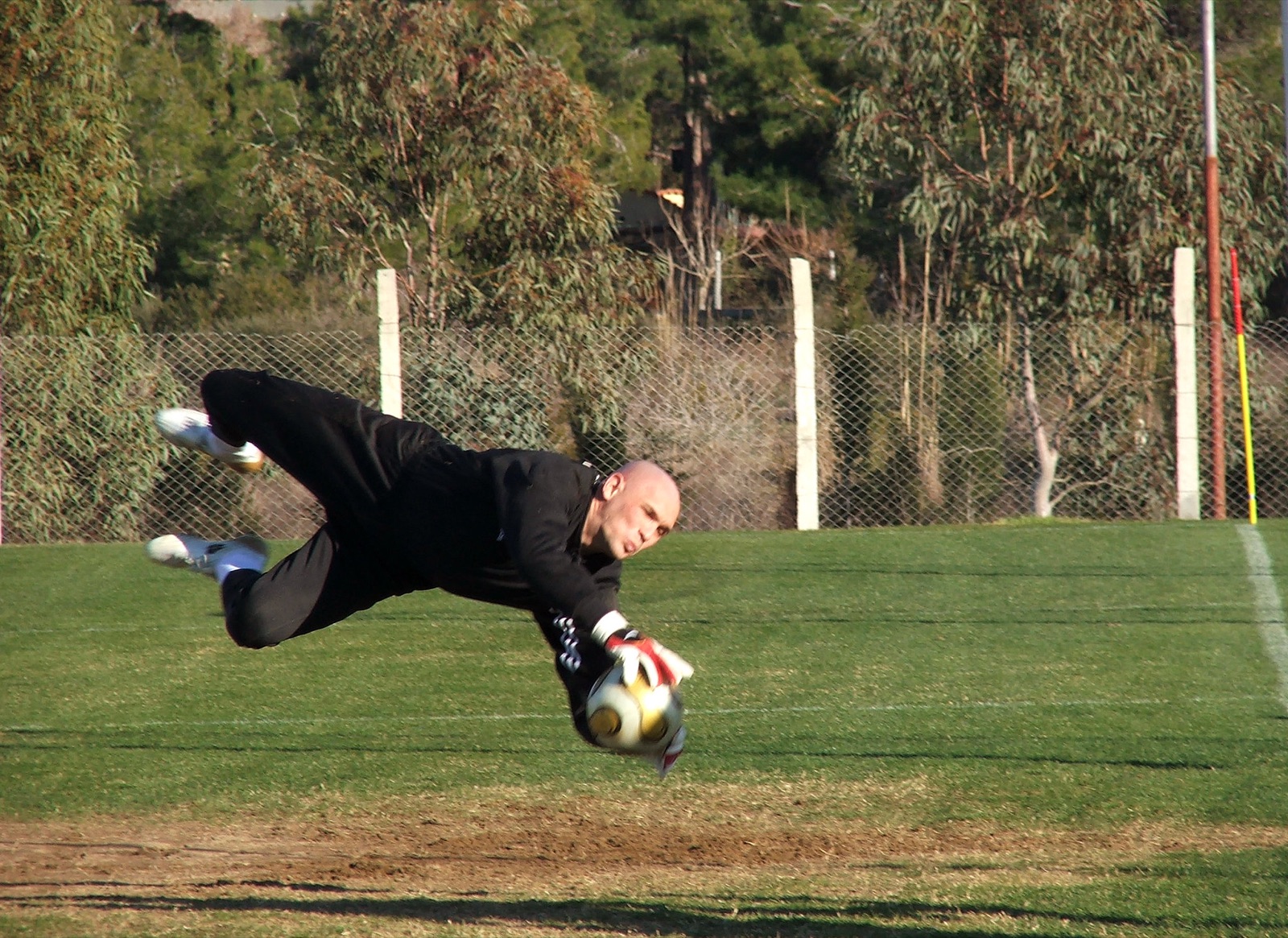
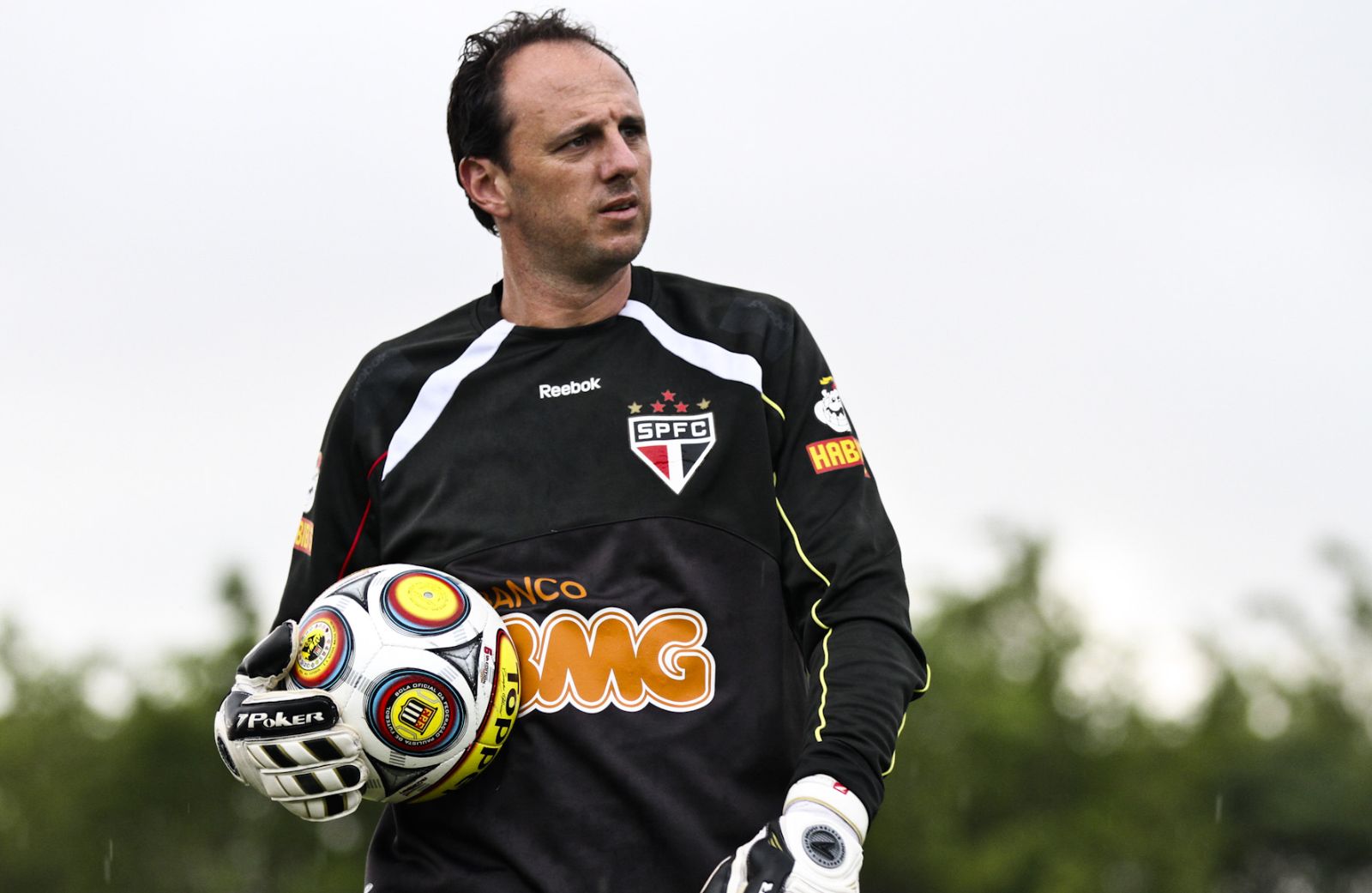
Meanwhile, there is a common misconception that goalkeepers don’t need to be as fit or athletic as field players.
Sure, they don’t run around as much. But they require a much different type of energy – concentration.
See, goalkeepers need to be always conscious of what is happening on the pitch at all times. They literally cannot take their eyes off the ball.
If you’re not feeding yourself properly, you’ll soon find yourself losing consistency.
It’s possible that the Big Mac you ate before the game is making you feel slow. It is also because you didn’t have time to eat properly, and now you’re starting to feel hunger creep in.
Considerations in Nutrition
Goalkeepers render a unique position in football. And it often shows distinct physical demands when compared to field players.
These demands are obvious on match days, with elite goalkeepers covering just ~50% of the total distance compared to their teammates. Not only this, but the rate of intensive actions completed within this distance is far less than field players.
Generally, goalkeepers only needed to perform 2-10 saves per match. But this often includes brief explosive actions such as diving, jumping, and accelerating.
Since the needed energy for the match is almost low, goalkeepers rarely sustain in-between half performance.
In one English Premier League, 62 goalkeepers were observed over 100 matches. It was found that 93% of the total distance covered was from either walking or jogging.
Moreover, the average time per game spent running at a high-speed was just 67 meters.
Thus, sports nutrition experts state that goalkeepers need lower energy intake. This is especially true for carbohydrates, which helps fuel the body for high-intensity activities.
Moreover, high-level goalkeepers in the Premier League and Spanish First Division are advised to consume around 3.5 grams per kilo of bodyweight.
This means that a goalkeeper that weights 70 kg has to consume 250 grams of carbohydrates 24 hours before a game.
The only caveat is that there is no actual supporting data to suggest that this is an “optimal” universal recommendation. Still, this is the current consensus among experts.
Proper Nutrition Could Make a Difference
It’s not that complicated, and you should start taking this seriously.
Nutrition is a very complex issue and something that we could talk about for hours. Still, every person has their dietary requirements.
It would be best to consult a professional nutritionist to get a plan that suits you.
Whether you are a goalkeeper or just a sports enthusiasts, here are some quick tips on nourishing yourself:
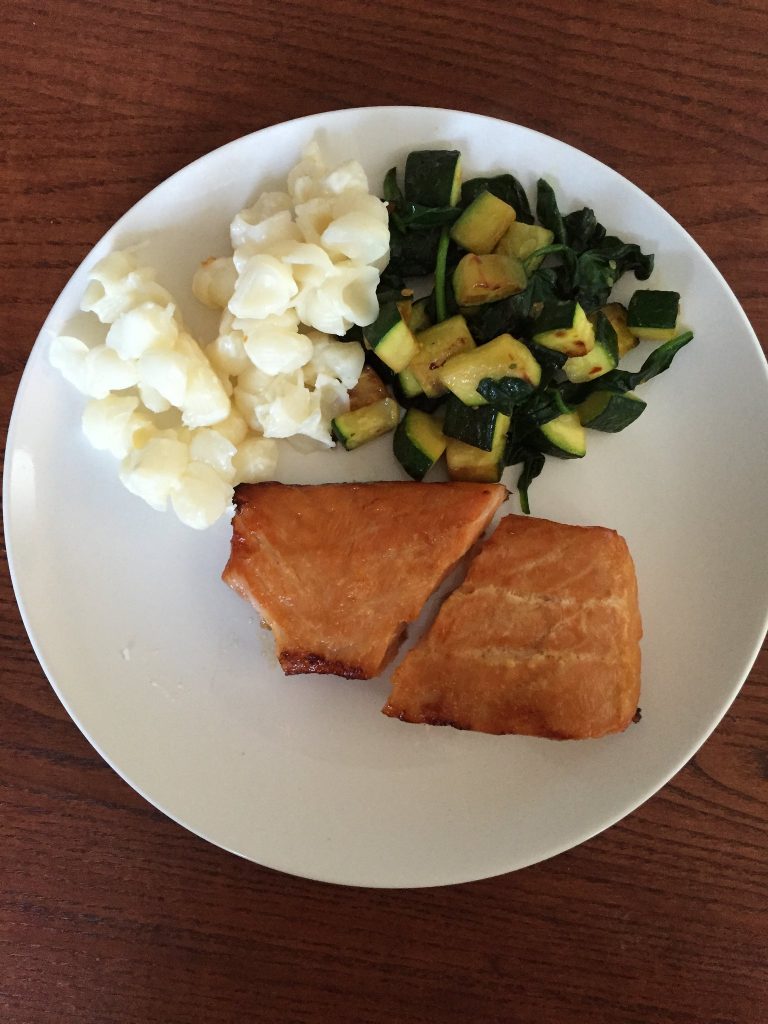
Eat more vegetables
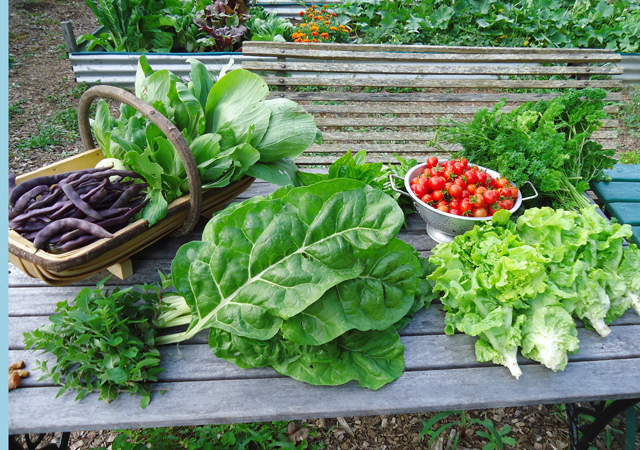
You need to eat your vegetables. They bear essential vitamins and minerals that help your body sustain peak performance.
Without them, your mind will start to ramble, you won’t be able to concentrate, and you won’t have the energy you need when you need it.
If you don’t like the taste of veggies, get creative, and make smoothies and juices with fruit to sweeten and hide the taste.
Choose healthy snacks
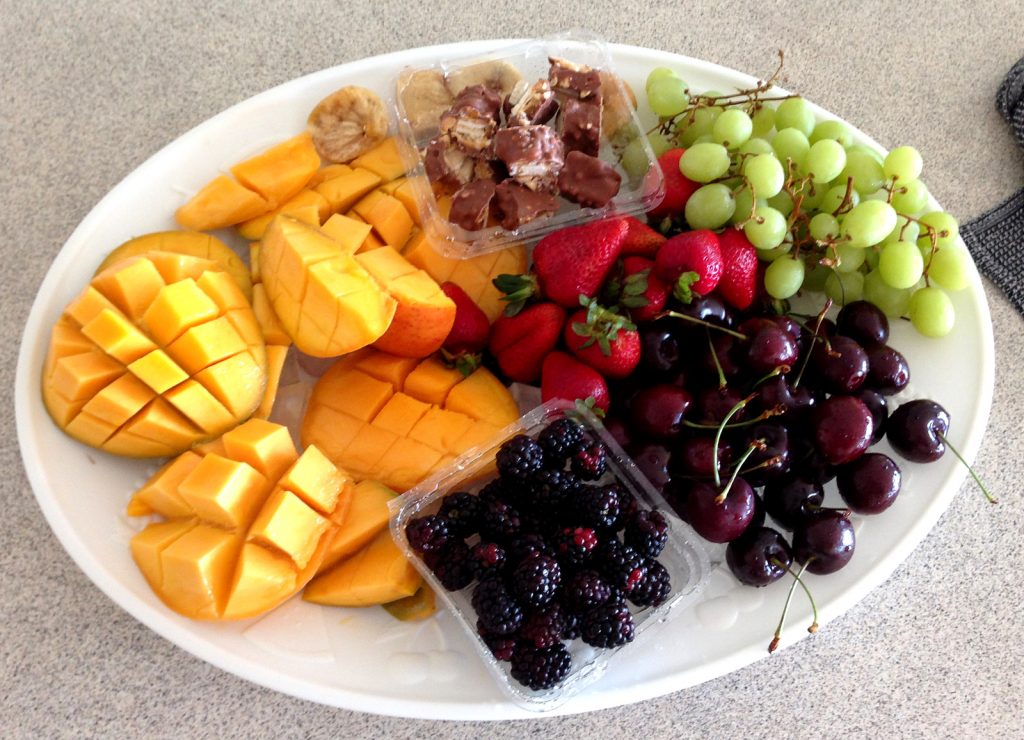
Snacking isn’t bad. It’s crucial to success. But when you start feeling hunger creep in, you might grab for something sweet and get along with it.
What you should be reaching for is a nice piece of fruit or something with slow-release energy. Something that isn’t going to spike your sugar levels and cause them to drop later on in the game, making you lose power when it counts.
Stay away from soda, fried foods, and candy as you will pay the price later.
Stay hydrated
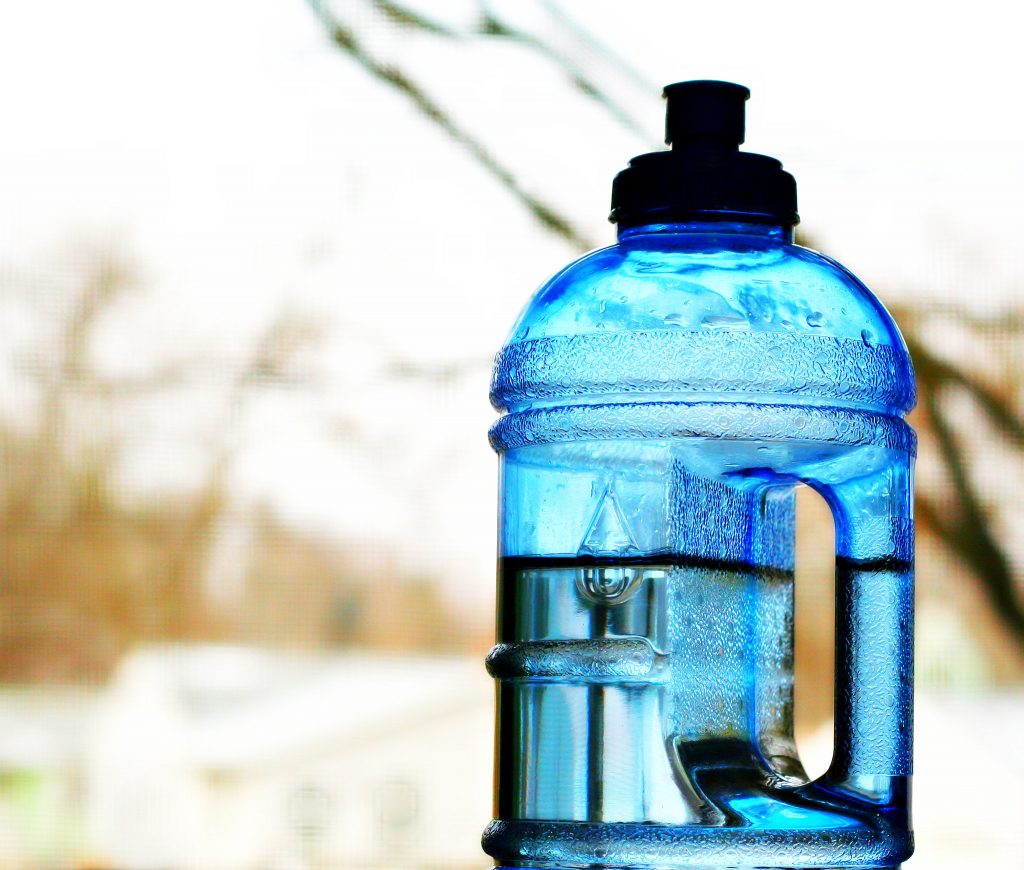
Muscle cramps are the most notorious effect of dehydration, but even slight dehydration can affect performance.
Do you know your sweat rate? Are you a salty sweater? Your electrolyte needs may increase when the weather is humid or hot.
Carbohydrate-electrolyte drinks are crucial for practices and matches lasting over 60 minutes.
The best way to avoid dehydration is to consume fluids throughout the day. Your urine should seem like lemonade, not like apple juice.
Carry a water bottle with you. Stop at drinking fountains and take drinks early and at regular intervals during practice sessions and games.
Soccer players can lose between 2-3 liters of sweat (oz) during a game, particularly in hot and humid conditions. They can also lose as much as 2-3 kg (4ó-6ó lbs) in body weight during a game.
This amount of fluid loss will undoubtedly hurt performance.
It would be ideal to counteract dehydration. So, players should consume 200-400 ml (7-14 oz) of cold water or a suitable carbohydrate solution 5 to 10 minutes before kick-off.
During the half time interval, players should try to drink another 300-500 ml (10-17oz) of a sports drink. When the weather is hot or during strenuous training sessions, coaches should try to provide players with 150-250 ml (5-8oz) of drink every 20 minutes.
Following a match or hard training session, lost fluids must be replaced. Water on its own is sufficient, but to replace fluid and replenish energy stores, a high carbohydrate drink may be more suitable.
Cut out caffeine
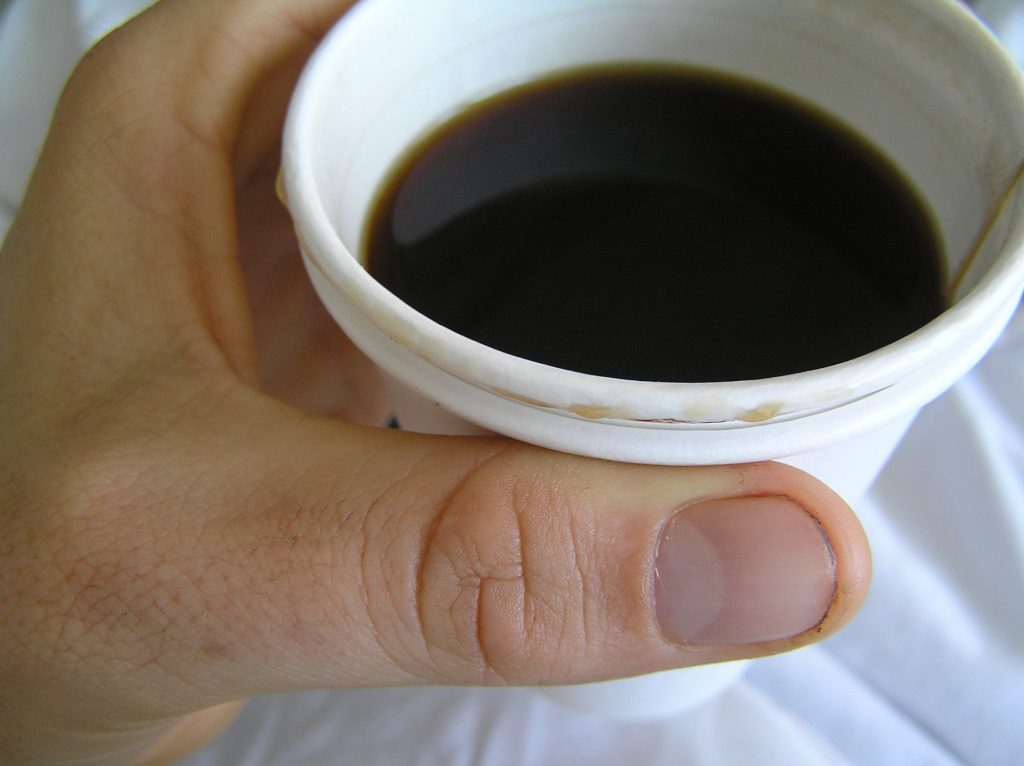
When you need energy, nothing hits the spot quite like a nice coffee cup or an ice-cold Big Gulp. But in reality, all you are doing is feeding your body’s dependence on synthetics.
Cut out caffeine entirely, and eventually, your body will maintain its natural levels of energy without the need for chemicals.
Caffeine is also in a lot of soda, so just cut that out and start drinking more water. Staying hydrated is critical for maintaining concentration.
Cutting out the caffeine also works miracles on your sleep, which is another important factor for staying alert during the day.
Go for sports drinks
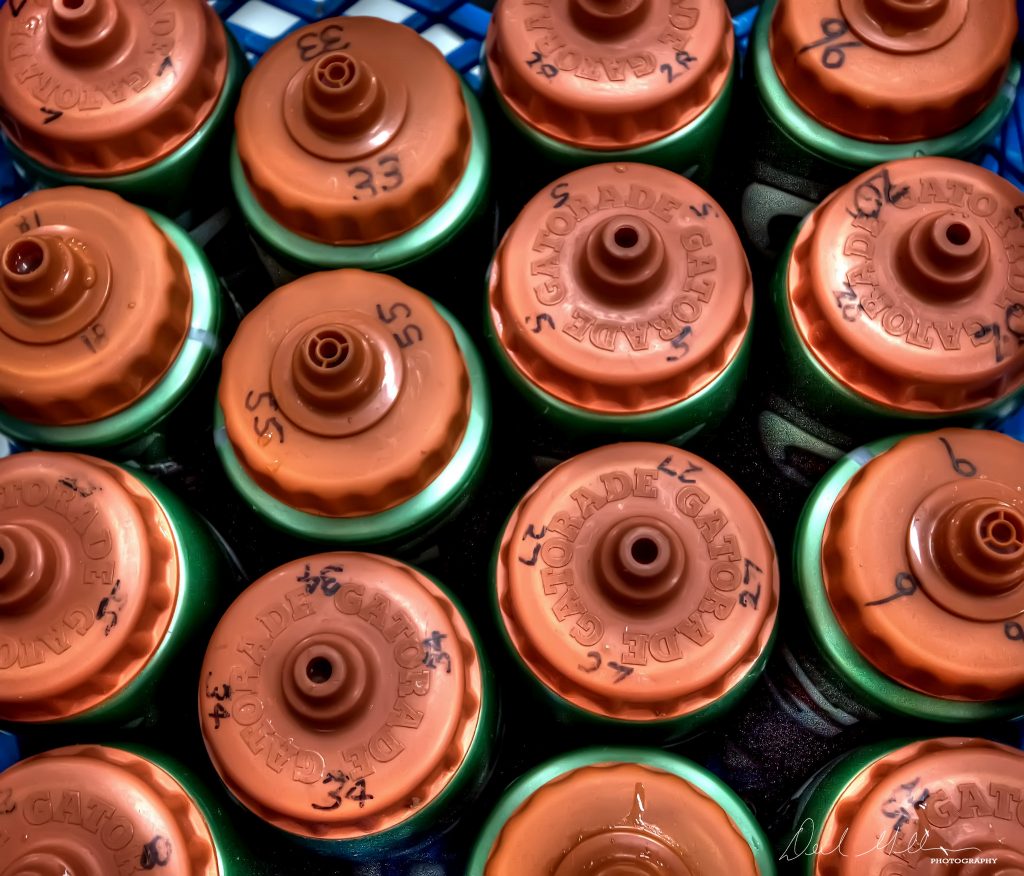
You may have heard of isotonic sports drinks. Isotonic means a fluid carrying electrolytes and 6-8% carbohydrate.
Luckily, it’s easy to make your own, low cost and equally as effective carbohydrate drink.
To make your own, add 200 ml (7oz) of concentrated orange juice (orange squash) to 1 liter (34oz) of water and add a pinch of table salt.
Hypotonic is a fluid that contains electrolytes and a minimal amount of carbohydrate. This is used in very hot conditions, where fluid replacement is the most critical factor.
To make your own, add 100 ml (3.5oz) of concentrated orange juice to 1 liter (34oz) of water and add a table salt pinch.
Hypertonic refers to a fluid that contains many carbohydrates and is ideal for refueling after a game. To make your own, add 400 ml (13.5oz) of concentrated orange juice to 1 liter (34oz) of water and add a table salt pinch.
Consume high-quality carbohydrates
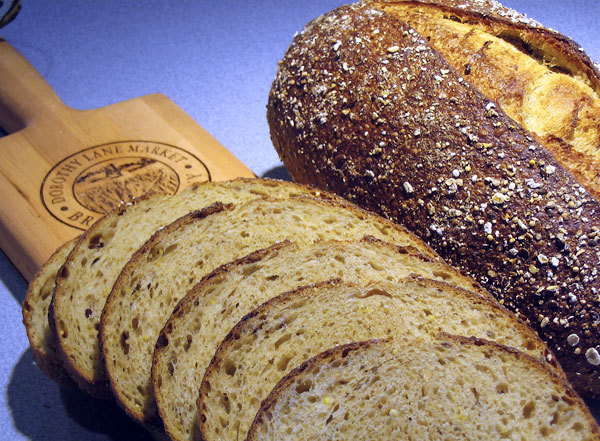
Carbs are the body’s principal source of energy. They are vital if you want to stay alert and have the power you need for match day.
But don’t choose fast-burning, highly processed carbs that will burn through your body and leave you feeling washed out and hungry.
Avoid most “white” carbohydrates such as white bread, white pasta, and white rice. That’s because these usually are highly processed and not good for the body.
Stick to wholegrain or wholemeal sources such as Whole Grain bread, wholemeal pasta, brown rice. These are much better for you and will provide a slow-release of energy throughout the day.
Nutrition While Training
The differences in physical demands are less evident during training periods. That’s because goalkeepers are required to undertake similar intensive exercise programs. This is to achieve optimal body composition and physiological improvements.
Nonetheless, there are still notable changes in a goalkeeper’s nutritional recommendations when training.
For example, the total distances covered by goalkeepers during training is around 3km. That is considerably low than that typically observed 5-7 km in outfield players.
This reduction in training load may be due to some isolation of goalkeepers’ training. That’s because their training usually involves limited areas of the pitch. They focus on position-specific attributes, with little involvement in outfield player drills.
As such, the daily energy expenditure of elite Premier League goalkeepers is around 2900 kcal per day.
This suggests that the energy and nutritional requirements of elite goalkeepers during training and matches are incomparable.
Even with such data, it isn’t easy to find out how this will impact nutritional strategies that goalkeepers adopt for optimal training performance. But the caloric and carbohydrate demands will be lower than other players.
In general, goalkeepers’ carbohydrate intake should be between 3-5 grams per kilo of bodyweight on training days. The same thing goes during match days.
Accurate recommendations may need training analysis from an appropriate sports scientist. Meanwhile, protein and fat intake recommendations remain the same for goalkeepers.
Vitamins
Thirteen various vitamins have been classified and studied to date. They are classed as either fat-soluble (vitamins A, D, E, K) or water-soluble (vitamin B complex, vitamin C).
Together they are responsible for blood clotting, neuromuscular function, and healthy skin, teeth, and bones.
A well-balanced diet provides an adequate supply of all the vitamins regardless of age and physical activity level.
During intense training sessions, a natural increase in food intake supplies any extra vitamin demand the body may have.
Antioxidants
The body has an elaborate defense system against free radicals in the form of antioxidant enzymes.
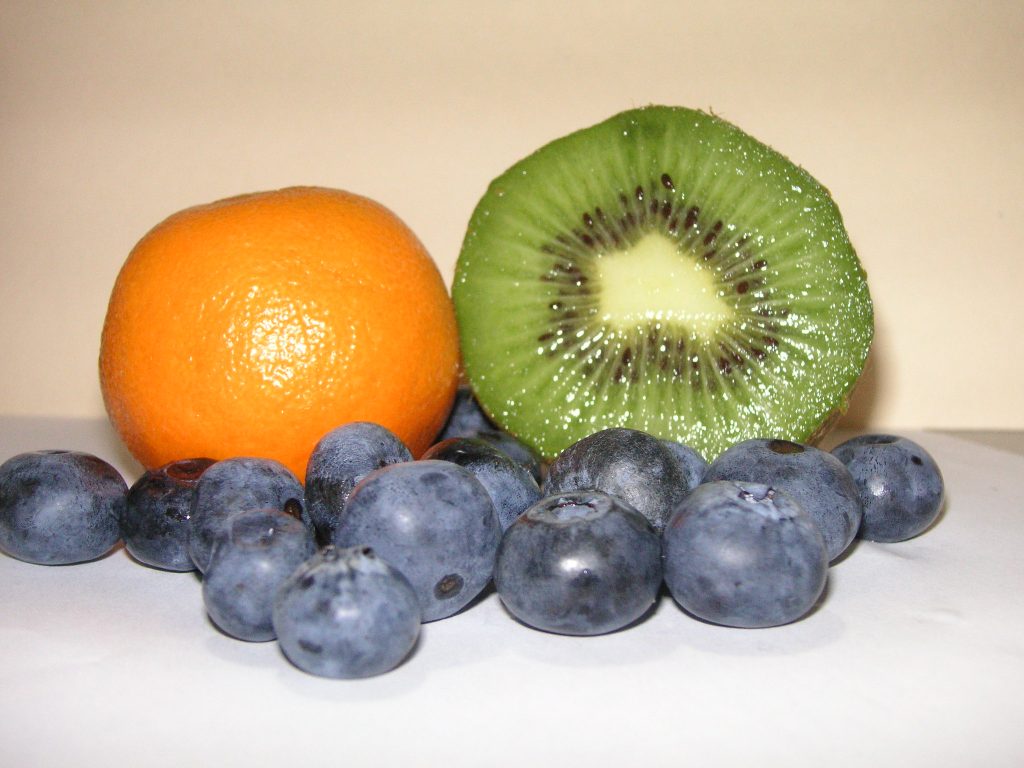
Vitamins A, C, and E are known as antioxidant vitamins and protect the cells against free radical damage. Although foods like citrus fruits, green vegetables, and nuts contain antioxidants, some athletes take supplements due to the high level of training.
Exercise is thought to increase free radical production. It also appears to increase the body’s antioxidant defense system at the same time. But there is some study to suggest that a vitamin E supplement can reduce harmful free radical production associated with exercise.
Still, it is unclear whether this offers any health benefits is unclear.
Minerals
Minerals account for about 4% of a person’s body mass. They provide the structure for forming bone and teeth. They also help the muscles to contract, maintain normal heart rhythm and control the acid-base balance.
Minerals are categorized as either significant or determined depending on how much is required per day.
Major minerals include calcium, phosphorus, sodium, potassium, and magnesium. Trace minerals include iron, zinc, copper, selenium, and chromium.
Calcium
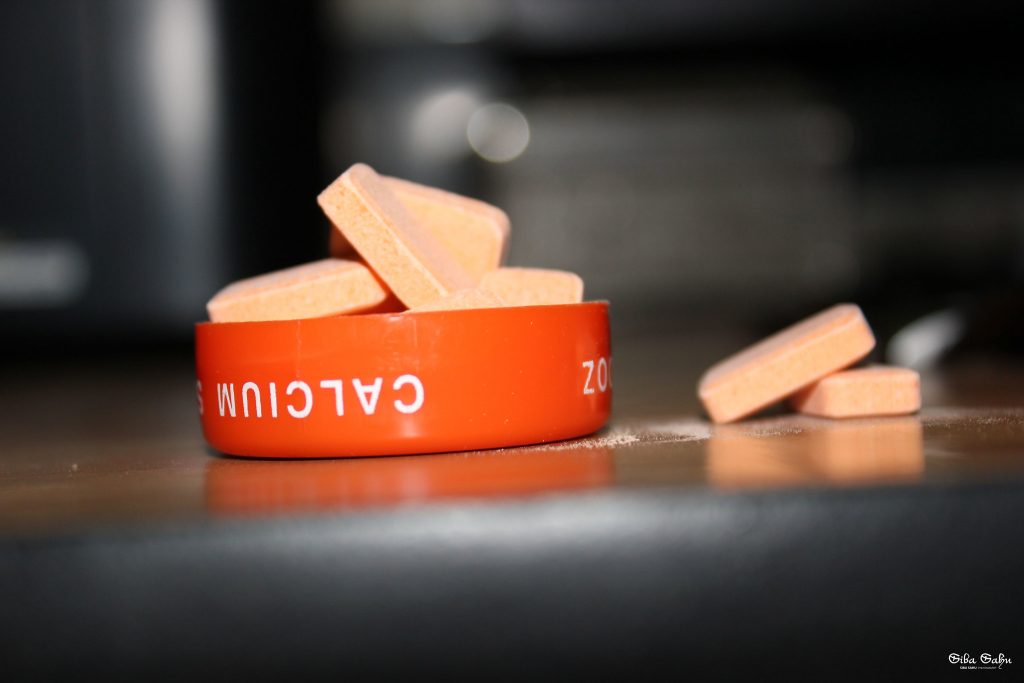
The typical Western diet contains too little calcium.
The RDA for calcium is 800-1000 mg for adults and 1200 mg for adolescents. The average adult consumes just 500-700 mg per day, and for many, it’s as little as 300 mg per day.
Calcium deficiency can lead to a condition called osteoporosis – a weakening of the bones. Exercise helps to maintain healthy bone density.
Sodium
Most adults consume too much sodium (found in abundance in processed foods), leading to high blood pressure.
The RDA of 1100-3300 mg is similar to 0.5-1.5 teaspoons of table salt.
Most people consume more than two teaspoons even when table salt isn’t used as a seasoning.
Iron
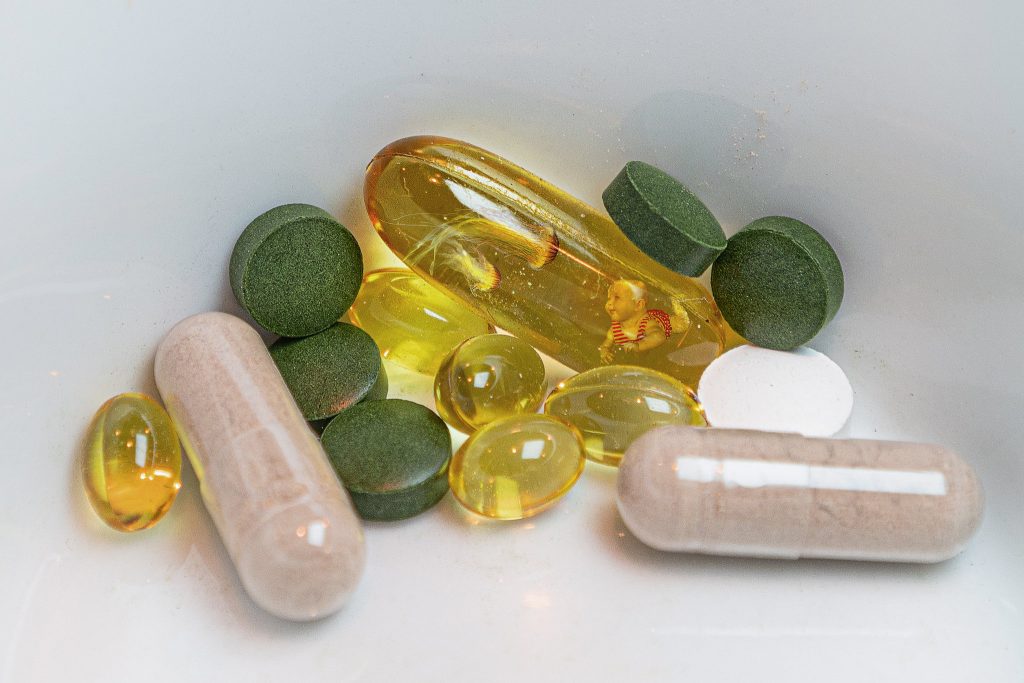
Iron helps the blood to carry oxygen, so an iron deficiency (called anemia) can lead to fatigue even with mild exercise.
Some research has hinted that heavy exercise training creates an increased demand for iron. But even in elite athletes, supplements are unnecessary if the diet contains iron-rich foods.

It can be hard to make a significant change in your diet, so the best way is to start slow and swap out a few things.
You will start seeing the benefits, and hopefully, this will inspire you to make more and better choices. This is a process, but it’s an important one if you want to become a top-level athlete.
Eventually, your taste buds will align with the new way of living, and you will appreciate a salad just as much as you did that bacon double cheeseburger.
Migrated from the original Goalies Club football site. Expert review pending under our editorial policy. Spotted an error? Tell us.